
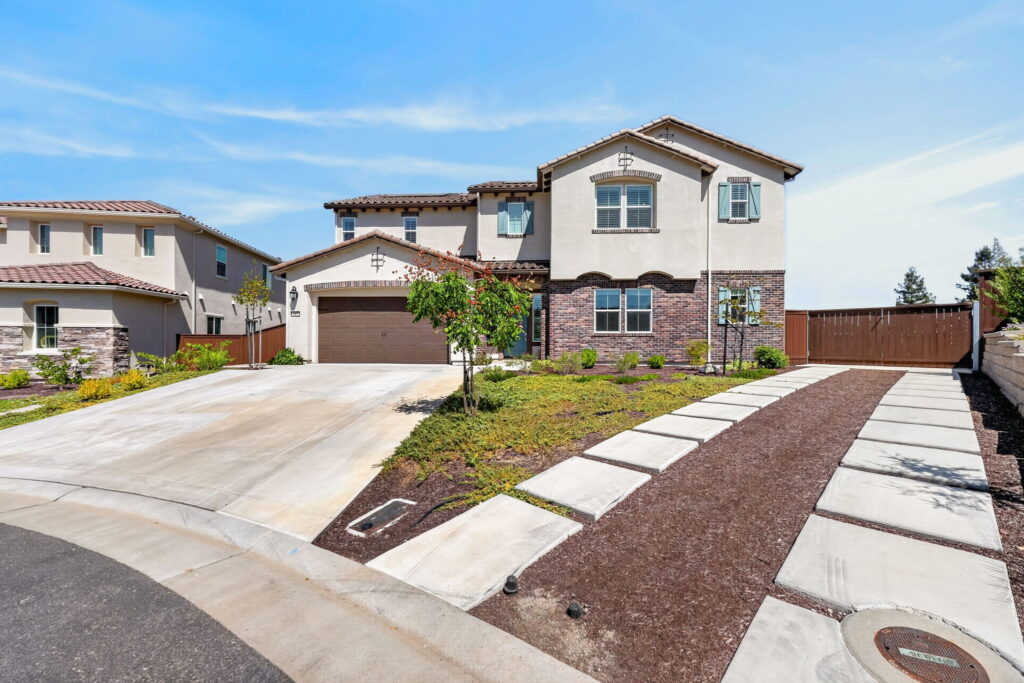
Should I Sell My El Dorado Hills Home Before Buying My Next Home?
If you already own a home in El Dorado Hills and are thinking about moving, one question can stop the entire process before it starts:
Should I sell my current home before buying my next one?
Maybe you need more space. Maybe you’re downsizing. Maybe you want to move from one El Dorado Hills neighborhood to another. Or perhaps you’re considering leaving California altogether.
Whatever the reason, the challenge is the same:
How do you buy the next home without putting yourself in a bad position with the one you already own?
There isn’t one answer that works for every homeowner. Your equity, financing, timeline, risk tolerance and the marketability of your current home all matter.
Here are the major options El Dorado Hills homeowners should understand before making a move.
Should You Sell Your Current Home Before Buying Another?
For many homeowners, selling first is the financially cleaner option.
Selling your existing home allows you to know exactly how much equity you have available for the next purchase.
It can also eliminate the need to qualify for two mortgages simultaneously and may allow you to make a stronger offer on your next property.
But there is an obvious drawback:
Where do you live between selling one home and buying the next?
Fortunately, selling first doesn’t necessarily mean moving twice.
There are several ways a real estate transaction can be structured to create more flexibility.
Option 1: Sell Your El Dorado Hills Home First
The simplest strategy is to sell your existing property before purchasing the next one.
Once the sale closes, you know exactly how much cash you have available for your next down payment.
Advantages of selling first
You know your actual net proceeds.
You don’t have to carry two homes indefinitely.
You may qualify more easily for your next mortgage.
You can potentially make a stronger offer without a home-sale contingency.
And you remove the pressure of needing your existing home to sell after you’ve already committed to another purchase.
The downside
You may need temporary housing if you don’t find your replacement home in time.
That’s where possession terms can become important.
Option 2: Negotiate a Seller Rent-Back
A seller rent-back can be one of the most useful tools for homeowners trying to sell and buy at the same time.
In this arrangement, you sell your home but remain in the property for an agreed period after closing.
The buyer owns the property, but you temporarily retain possession under the terms negotiated in the contract.
For the seller, this can provide valuable time to:
- Close on the sale
- Receive sale proceeds
- Complete the purchase of the next home
- Coordinate movers
- Avoid moving into temporary housing
The exact terms—including length, compensation, deposits, insurance and possession—need to be clearly documented and agreed upon by both parties.
Not every buyer will accept a rent-back, but when the circumstances allow it, it can make a complicated move considerably easier.
Option 3: Buy Your Next Home Before Selling
Some homeowners have the financial ability to purchase their next home before selling the current one.
This provides the most flexibility from a moving standpoint.
You can purchase the next property, move at your own pace, prepare the old home for market after moving out and avoid trying to keep a house show-ready while you’re still living there.
It can also make staging easier because the property can potentially be prepared and marketed as a vacant home.
The challenge is financing.
You’ll need to determine whether you can qualify while still carrying your existing mortgage and whether you have enough liquid funds for the next down payment and closing costs.
Before choosing this strategy, talk with your lender and real estate agent about the complete financial picture.
Option 4: Make Your Purchase Contingent on Selling Your Current Home
Another possibility is writing an offer on your next property that is contingent upon selling your current home.
This can reduce your financial risk because your purchase depends on successfully selling the existing property.
The trade-off is that a contingent offer may be less attractive to the seller of the home you’re trying to buy.
Imagine that seller receives two similar offers.
One buyer can close without selling another property.
The other buyer needs to sell a home before they can complete the transaction.
All else being equal, the first offer generally presents fewer moving parts.
That doesn’t mean contingent offers can’t succeed.
It means the strategy needs to account for how competitive the specific property is.
Can I Use the Equity in My Current Home to Buy the Next One?
Potentially, yes.
Many El Dorado Hills homeowners have substantial equity in their properties, but equity and accessible cash aren’t the same thing.
Your equity is essentially the difference between your property’s market value and the debt secured against it.
If your home is worth $1.3 million and you owe $500,000, for example, you may have substantial equity—but much of it remains tied up in the property until you sell or access it through another financing strategy.
Depending on your financial circumstances, a lender may be able to discuss options for purchasing before your sale closes.
The important part is determining this before you start writing offers.
You don’t want to find the perfect next home and only then discover that your financing requires your current property to sell first.
What If I Find the Perfect Home Before Mine Is Listed?
This is where preparation makes an enormous difference.
If there’s a reasonable chance you’ll purchase before selling, it can be smart to get your current home market-ready before you actually need to list it.
That might mean completing:
- A pricing analysis
- Pre-listing inspections
- Minor repairs
- Paint or touch-ups
- Landscaping
- Decluttering
- Staging consultation
- Seller disclosures
- Photography and marketing preparation
Then, if the right replacement property appears, you’re not starting your home-sale process from zero.
You may be able to bring your property to market quickly.
In a buy-and-sell situation, time is leverage.
What If My El Dorado Hills Home Doesn’t Sell as Quickly as Expected?
This is exactly why your current home’s market value and likely selling timeline should be established before you purchase another property.
Don’t build your plan around what you hope your home will sell for.
Build it around what current buyers are demonstrating they’re willing to pay.
That means looking at:
Recent sales. What have comparable properties actually closed for?
Current competition. What else can a buyer purchase instead of your home?
Pending sales. Which properties are attracting buyers right now?
Days on market. How quickly are comparable homes moving?
Price point. Buyer demand for a $900,000 home can be very different from demand for a $2.5 million custom estate.
Your strategy should also include a backup plan.
What happens if the home takes 30 days longer to sell?
What happens if the strongest offer is lower than anticipated?
What happens if the buyer requests repairs or credits?
Planning for those scenarios before making your next purchase reduces the likelihood that you’re forced into a decision later.
Should I Buy or Sell First in El Dorado Hills in 2026?
The answer depends heavily on your specific situation.
Selling first may make more sense if:
You need your equity for the next down payment.
You don’t want to carry two mortgages.
You want certainty about your proceeds.
You want to make a stronger, non-contingent purchase offer.
Buying first may make more sense if:
You can comfortably qualify while owning your current home.
You have sufficient funds for the next purchase.
You want to avoid temporary housing.
You want to move first and prepare your existing property afterward.
Coordinating both may make sense if:
Your current property is highly marketable.
You have flexibility with possession.
The seller of your next home is flexible on timing.
Your lender has structured financing around both transactions.
The important point is that the decision shouldn’t be made in isolation.
The sale, purchase and financing strategies need to work together.
What About Moving Within El Dorado Hills?
This scenario is particularly interesting because many homeowners aren’t looking to leave El Dorado Hills at all.
They simply want a different type of property.
Someone in Blackstone might want more land.
A homeowner in an established neighborhood may want newer construction.
A family may want a larger home in Serrano or The Promontory.
Empty nesters may be ready to downsize while remaining close to friends, family and the community.
Others may want to exchange a larger property for something requiring less maintenance.
In these situations, understanding both sides of the local market is especially valuable.
We’re not simply asking:
“What can your current home sell for?”
We’re also asking:
“What will it cost to get you into the home you actually want?”
Those two numbers should be evaluated together.
How Much Equity Do I Need to Make a Move?
There isn’t a universal amount.
Instead, start by estimating your likely net proceeds, not just your home’s sale price.
Your projected net should account for your remaining loan balance and estimated costs associated with the sale.
Then compare those proceeds with what you’ll need for your next purchase, including:
- Down payment
- Closing costs
- Moving expenses
- Potential repairs or improvements
- Cash reserves
- Differences in monthly payment
- HOA dues
- Mello-Roos or special assessments
- Homeowners insurance
- Property taxes
This is particularly important in El Dorado Hills because the ongoing cost of ownership can vary significantly from one neighborhood and property to another.
A move that looks like a small jump in purchase price may create a much larger—or smaller—difference in monthly cost once everything is considered.
What Is the Best Way to Coordinate Selling and Buying at the Same Time?
Start with the sale of your current home—even if you’re not ready to list it yet.
That doesn’t mean putting a sign in the yard tomorrow.
It means establishing three things:
1. What is your current home realistically worth?
2. What are your likely net proceeds?
3. How quickly could we reasonably expect it to sell?
Once we have those numbers, we can work backward from your next purchase.
From there, the strategy might involve selling first, negotiating a rent-back, buying first, using a contingency or carefully coordinating both escrows.
There are multiple ways to structure the move.
The right strategy is the one that gives you the strongest combination of financial security, negotiating leverage and flexibility.
Thinking About Selling and Buying in El Dorado Hills?
You don’t have to figure out which transaction comes first on your own.
Before you list your current home—or start seriously shopping for the next one—we can map out both sides of the move.
We’ll look at what your current El Dorado Hills home could realistically sell for, your estimated proceeds, the competition in your price range, your ideal next property and the best way to coordinate the timing.
Sometimes the answer is to sell first.
Sometimes it’s to buy first.
And sometimes the best solution is carefully structuring both transactions so they work together.
The important part is having the strategy before the right home—or the right buyer—shows up.
Chris Wolfe
Chris Wolfe Real Estate Group
eXp Realty of Northern California, Inc.
DRE #01894853
559.289.8218
ElDoradoHillsLiving.com
We ARE El Dorado Hills real estate.
Frequently Asked Questions
Should I sell my house before buying another one?
Selling first can provide certainty about your equity and eliminate the need to carry two homes, but it may require temporary housing. Buying first provides more moving flexibility but requires sufficient financing and cash. The best strategy depends on your equity, finances and local market conditions.
Can I stay in my house after I sell it?
Potentially. A seller rent-back or other negotiated possession arrangement may allow a seller to remain in the property for an agreed period after closing. The terms must be negotiated with the buyer and properly documented.
Can I make an offer before selling my current house?
Yes. Depending on your financing, you may be able to purchase without selling first or make the purchase contingent upon the sale of your existing property. A home-sale contingency can affect the competitiveness of your offer.
How do I use my current home’s equity to buy another house?
The options depend on your finances and lender requirements. Some homeowners sell first and use the proceeds for their next purchase, while others may qualify for financing that allows them to purchase before their existing home closes. Discuss the options with a qualified lender before writing an offer.
Can I buy and sell a house at the same time?
Yes. Coordinating the transactions may involve aligning escrow dates, negotiating possession terms, using contingencies or structuring financing appropriately. Planning both transactions together is critical.
What should I do first if I want to move?
A strong first step is determining your current home’s realistic market value, estimated net proceeds and likely selling timeline. That gives you the information needed to build a realistic budget and strategy for your next purchase.